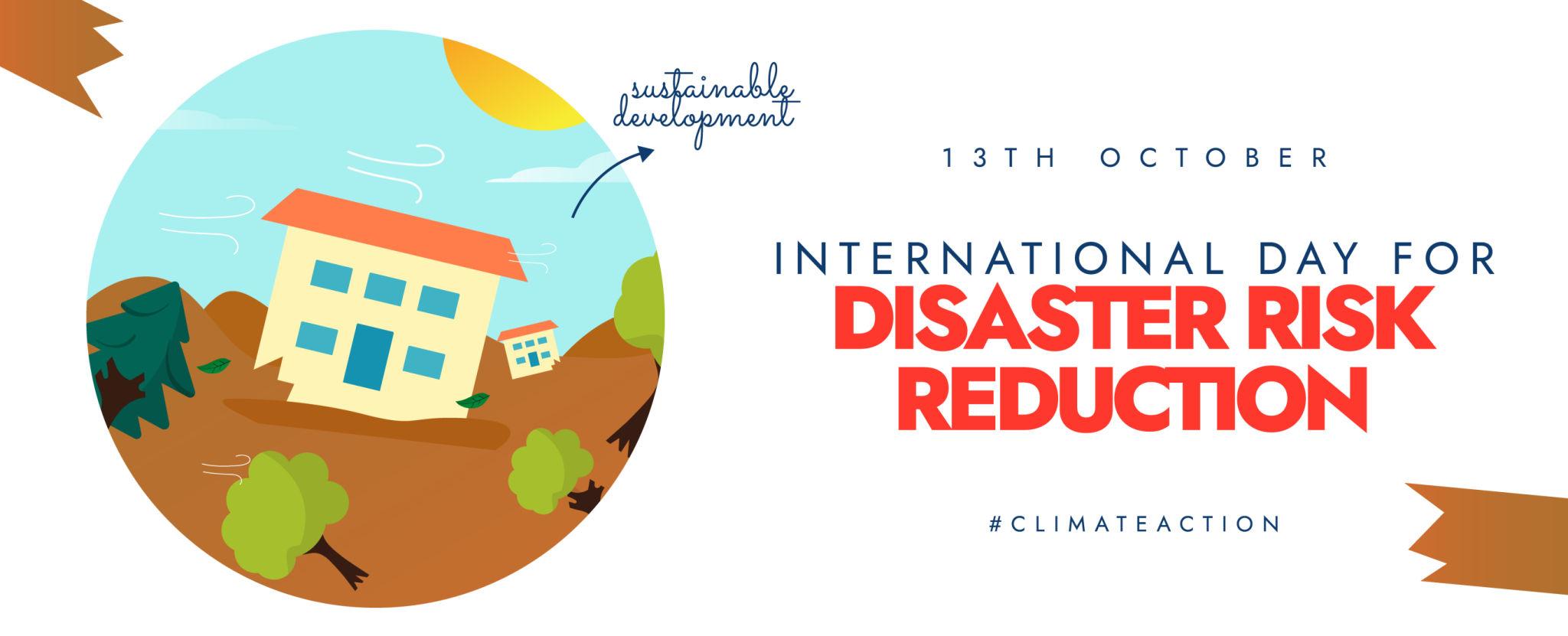
International Day for Disaster Risk Reduction 2026: Importance, Theme and Safety Tips
Every year, 13 October is observed as the International Day for Disaster Risk Reduction (IDDRR) to encourage people, communities and governments to understand disaster risks and take action before emergencies occur. From floods and cyclones to earthquakes, landslides and fires, disasters can affect homes, livelihoods, infrastructure and human lives. Preparing in advance can help reduce these losses and create safer communities.
Thank you for reading this post, don't forget to subscribe!History of International Day for Disaster Risk Reduction
The United Nations General Assembly established this international observance in 1989 to promote a global culture of disaster awareness and prevention. The day highlights the importance of reducing risks rather than focusing only on relief and recovery after a disaster.
The Sendai Framework for Disaster Risk Reduction 2015–2030 provides an international plan to prevent new disaster risks, reduce existing risks and strengthen preparedness. It encourages countries and communities to work together towards a safer and more resilient future.
Theme of International Day for Disaster Risk Reduction 2026
The official theme for 2026 is “Resilience Starts at Home.” It highlights the importance of making homes safer and helping families prepare for possible disasters. Our homes should provide protection, but unsafe construction, poor maintenance and locations exposed to hazards can increase risks.
Building resilience begins with understanding the dangers around us. Families, builders, local authorities and communities all have a role in making homes and neighbourhoods safer.
Why Is Disaster Risk Reduction Important?
Disaster risk reduction can save lives, protect property and reduce the financial burden on families and governments. Early warnings, proper planning and public awareness allow people to respond more quickly when danger arises.
For example, identifying flood-prone areas, constructing buildings according to safety standards and maintaining drainage systems can help reduce the impact of certain hazards. Community education also helps people understand evacuation routes and emergency procedures.
Five Simple Disaster Safety Tips
1. Prepare an emergency kit: Keep drinking water, essential medicines, a torch, batteries, a first-aid kit and important contact numbers ready.
2. Follow official warnings: Pay attention to alerts and instructions issued by authorised weather and disaster management agencies.
3. Make a family emergency plan: Decide where family members should meet and how everyone can contact one another during an emergency.
4. Keep your home safe: Check electrical wiring, secure heavy furniture and avoid ignoring cracks or other signs of structural damage.
5. Learn emergency procedures: Understand evacuation routes and learn basic first aid. Never enter floodwater or approach damaged electrical equipment.
How Can We Observe This Day?
Schools can organise awareness programmes, drawing competitions, safety demonstrations and emergency preparedness activities. Residents’ associations can discuss local hazards, identify evacuation routes and encourage households to prepare emergency kits.
Governments and organisations can use the occasion to strengthen early warning systems, improve infrastructure and ensure that vulnerable people receive timely information and assistance.
Conclusion
The International Day for Disaster Risk Reduction reminds us that disasters cannot always be prevented, but their impact can often be reduced through preparation, awareness and responsible planning. On 13 October 2026, let us embrace the message “Resilience Starts at Home” by making our homes safer and helping our communities become better prepared.
Remember: A little preparation today can protect lives tomorrow.