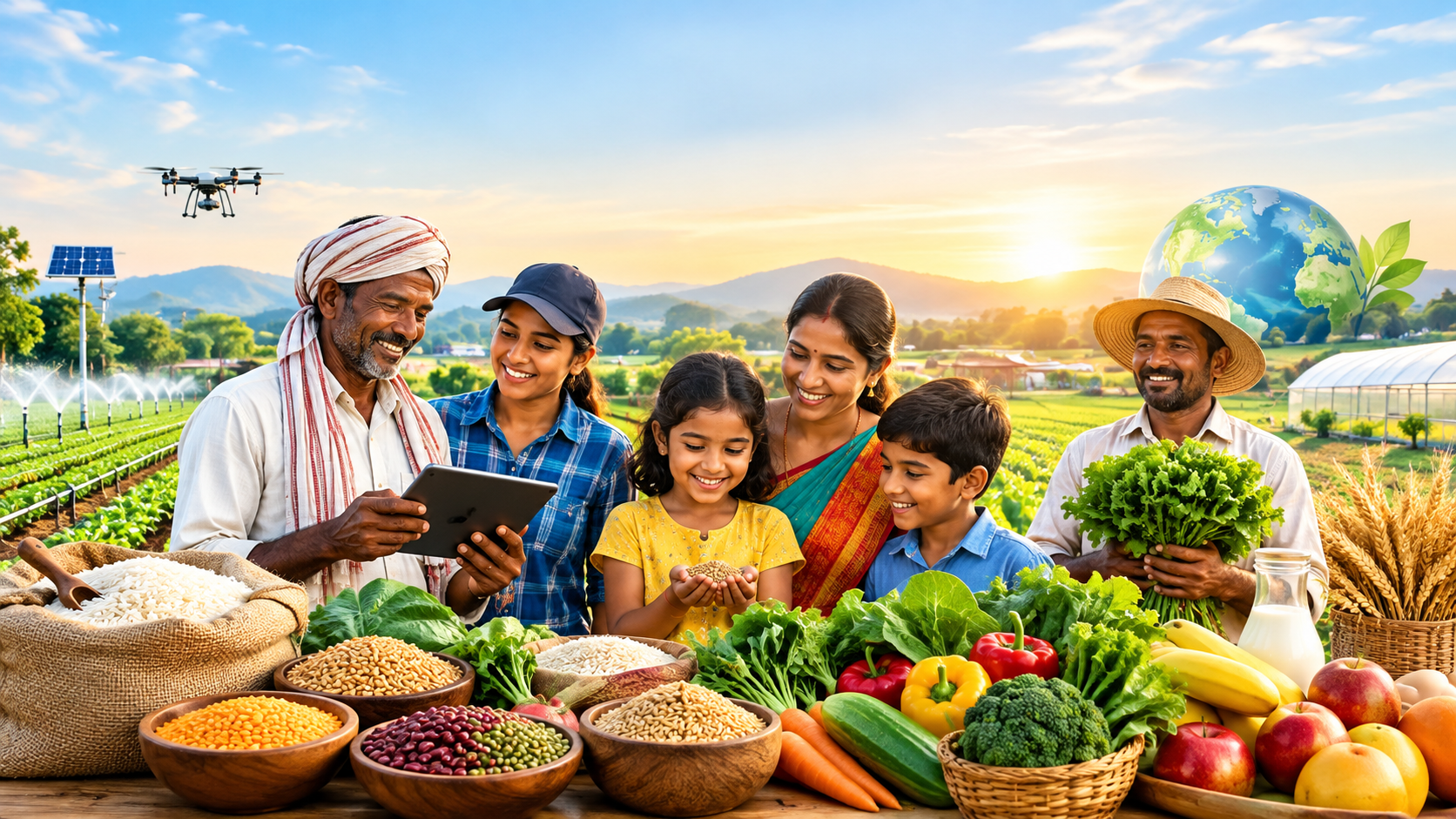
Food is one of the basic necessities of human life. It provides the energy and nutrients we need to grow, work and stay healthy. However, millions of people around the world continue to face hunger, malnutrition and difficulties accessing healthy food. To raise awareness of these challenges, World Food Day is observed every year on October 16.
Thank you for reading this post, don't forget to subscribe!World Food Day 2026 will be celebrated on Friday, October 16, 2026, with a global message encouraging innovation and sustainable solutions to improve food security. The day reminds us that everyone deserves access to safe, nutritious and affordable food.
World Food Day 2026 Theme
The official theme of World Food Day 2026 is “Innovate today. Nourish tomorrow.” According to the Food and Agriculture Organization of the United Nations (FAO), this theme highlights the importance of combining innovation, traditional knowledge and inclusive approaches to build better food systems.
Innovation in agriculture can include modern farming equipment, digital technologies, improved irrigation methods, better food storage facilities and scientific research. Traditional farming knowledge also plays an important role in protecting natural resources and maintaining agricultural diversity.
By making useful innovations accessible to farmers and communities, countries can work towards producing nutritious food while protecting the environment for future generations.
History of World Food Day
World Food Day was established by the Food and Agriculture Organization of the United Nations, an international organization working to improve food security and nutrition around the world.
The day commemorates the founding of the FAO on October 16, 1945. World Food Day was first observed in 1981 and has since become an international occasion for raising awareness about hunger, poverty, agriculture and nutrition.
Today, governments, educational institutions, agricultural organizations, charities and communities participate in World Food Day activities. Each year, a specific theme highlights an important issue connected with food and sustainable development.
Importance of World Food Day
World Food Day is important because food security remains a major challenge in many parts of the world. Having enough food is essential, but people also need access to food that is safe, nutritious and suitable for a healthy life.
The observance highlights several important issues.
- Raising awareness about hunger: World Food Day encourages people to understand the difficulties faced by families who cannot afford sufficient food.
- Supporting farmers: Farmers play a vital role in feeding the population. They need access to resources, agricultural knowledge, technology, markets and fair opportunities.
- Promoting healthy diets: A balanced diet containing vegetables, fruits, grains, pulses and other nutritious foods supports overall health and well-being.
- Reducing food waste: Food waste occurs in homes, restaurants, markets and supply chains. Using food carefully and storing it properly can help reduce unnecessary waste.
- Protecting the environment: Sustainable farming practices can help conserve water, maintain soil health and protect biodiversity.
- Encouraging innovation: New ideas and appropriate technologies can improve farming productivity, food distribution and storage while helping communities adapt to changing environmental conditions.
How Is World Food Day Celebrated?
World Food Day is observed in different ways across countries and communities. The activities aim to educate people and encourage practical action.
Schools and colleges may organize essay-writing competitions, drawing contests, speeches, quizzes and awareness programmes about hunger and nutrition. Students can learn about food production, the importance of farmers and the consequences of wasting food.
Agricultural institutions may conduct workshops, exhibitions and discussions on sustainable farming, irrigation, crop protection and modern agricultural technologies. Community organizations may arrange food donation drives and distribute meals to people in need.
Families can participate by planning meals carefully, sharing surplus food safely and teaching children to respect the efforts involved in producing food.
In India, World Food Day can also be used to highlight the importance of farmers, local food traditions, nutritious diets and responsible food consumption.
How Can We Contribute to a Better Food Future?
Everyone can contribute to improving food security through simple daily actions.
- Buy only the amount of food your household needs.
- Store food properly to keep it fresh for longer.
- Avoid throwing away edible food.
- Donate suitable surplus food through responsible local organizations.
- Support local farmers and seasonal produce when possible.
- Learn about balanced nutrition and healthy eating habits.
- Encourage children to understand the value of food and water.
- Support environmentally responsible agricultural practices.
These small actions can help build a culture of responsibility and respect for food.
Conclusion
World Food Day 2026 is an opportunity to reflect on the importance of food, the challenges of hunger and the need for sustainable agricultural development. Its theme, “Innovate today. Nourish tomorrow,” emphasizes how new ideas, scientific progress and traditional knowledge can contribute to a healthier and more food-secure future.
On October 16, let us appreciate farmers, reduce food waste, support people facing hunger and encourage responsible food production and consumption. Working together, individuals and communities can help create a future in which nutritious food is accessible to everyone.
Let us innovate today and work towards a world where nobody goes hungry tomorrow.